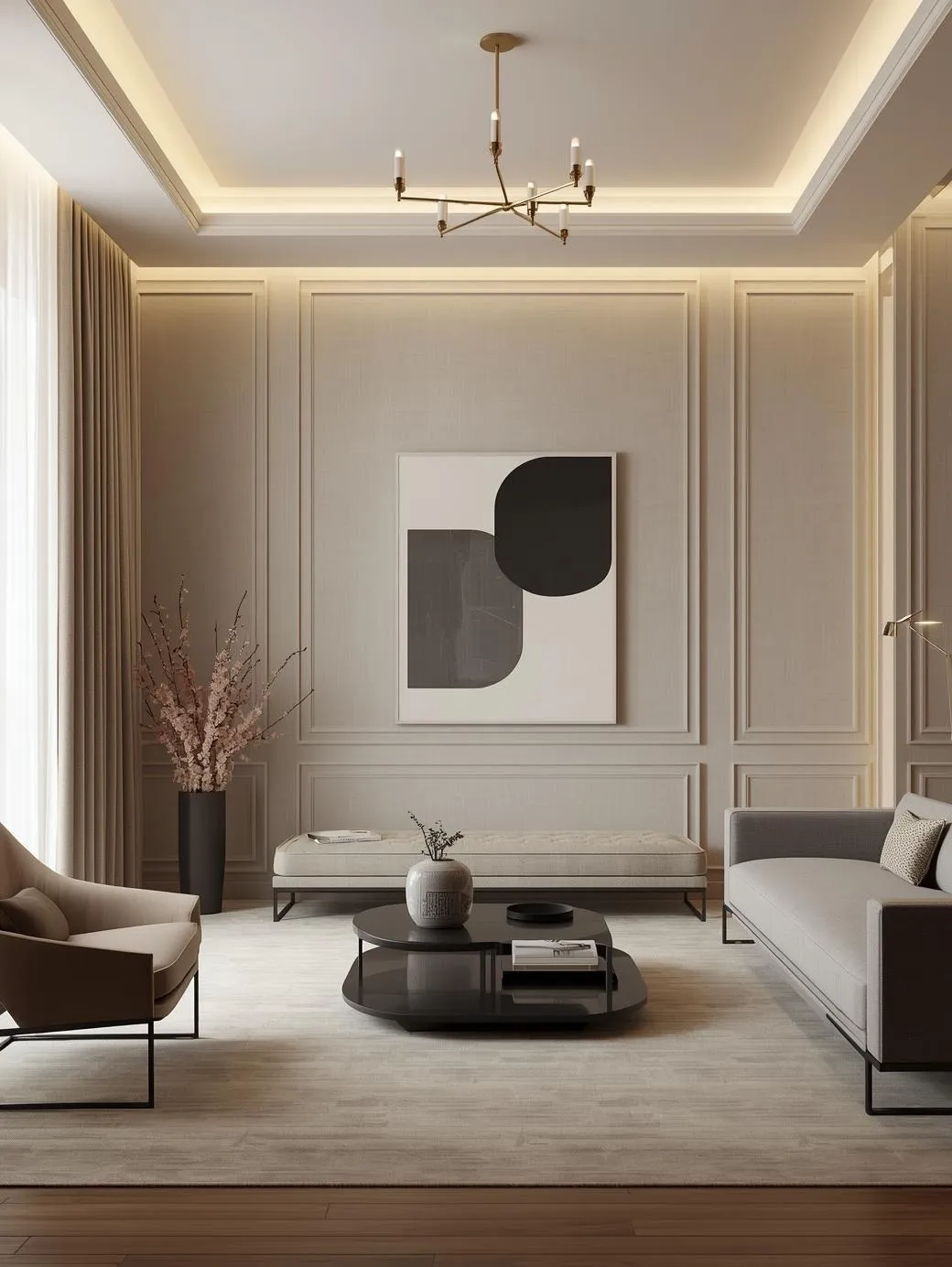

Over the years working on small homes and apartments, I’ve realized something interesting: limited space actually pushes creativity further than large houses ever do.
I’ve personally redesigned many compact living spaces where the challenge wasn’t decorating—it was making the space feel open, functional, and visually calm. The ideas below are strategies I regularly use to transform tight interiors into comfortable, stylish homes.
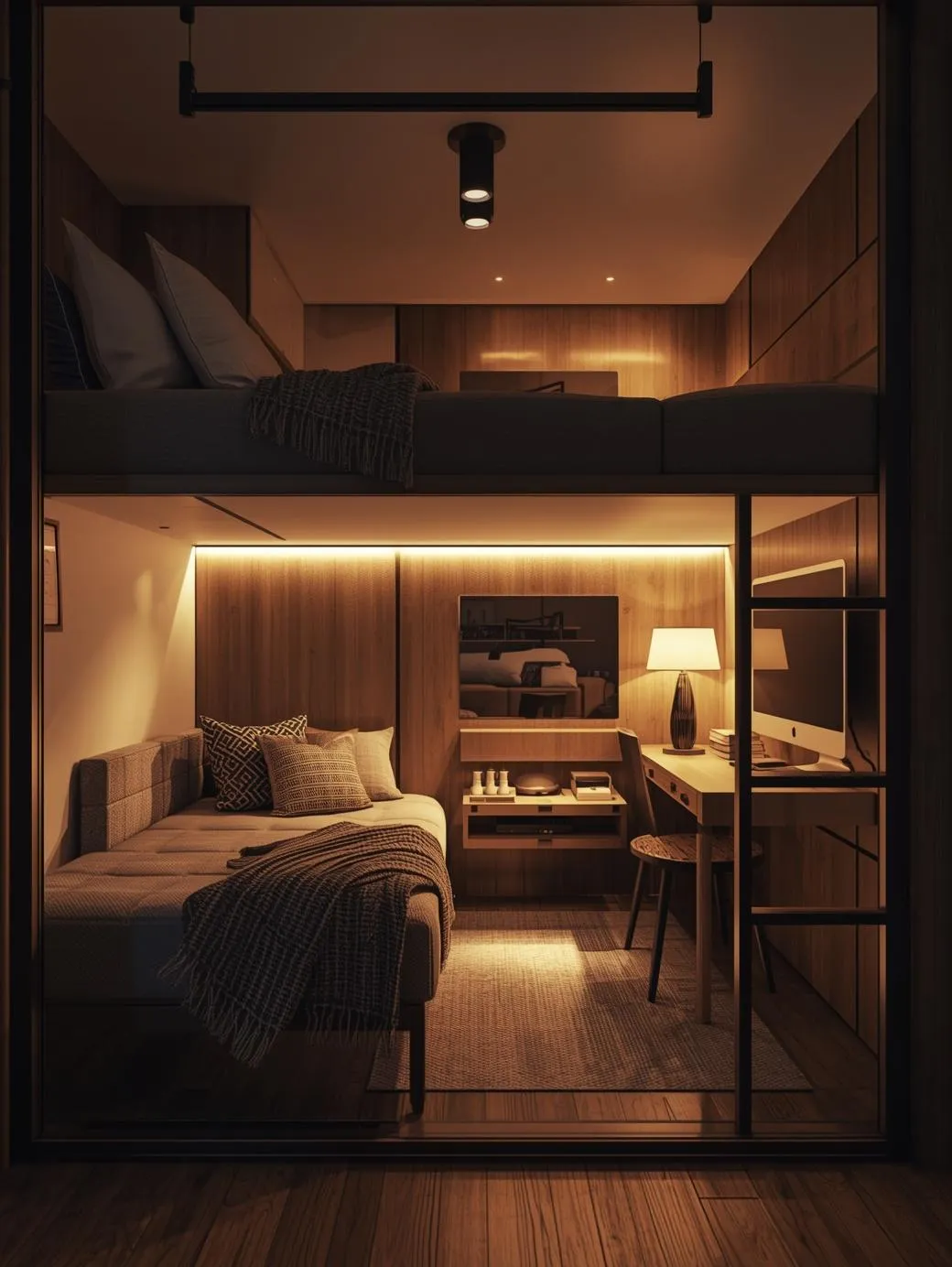
1. Multi-Purpose Furniture Layout
One of the smartest approaches in small homes is using furniture that serves multiple functions. This reduces clutter and keeps the layout flexible.
For example, a sofa bed, foldable dining table, or storage ottoman allows the same room to serve as a living space, sleeping area, and workspace.
This idea is perfect for studio apartments where every square foot must work harder.
2. Floor-to-Ceiling Storage Walls
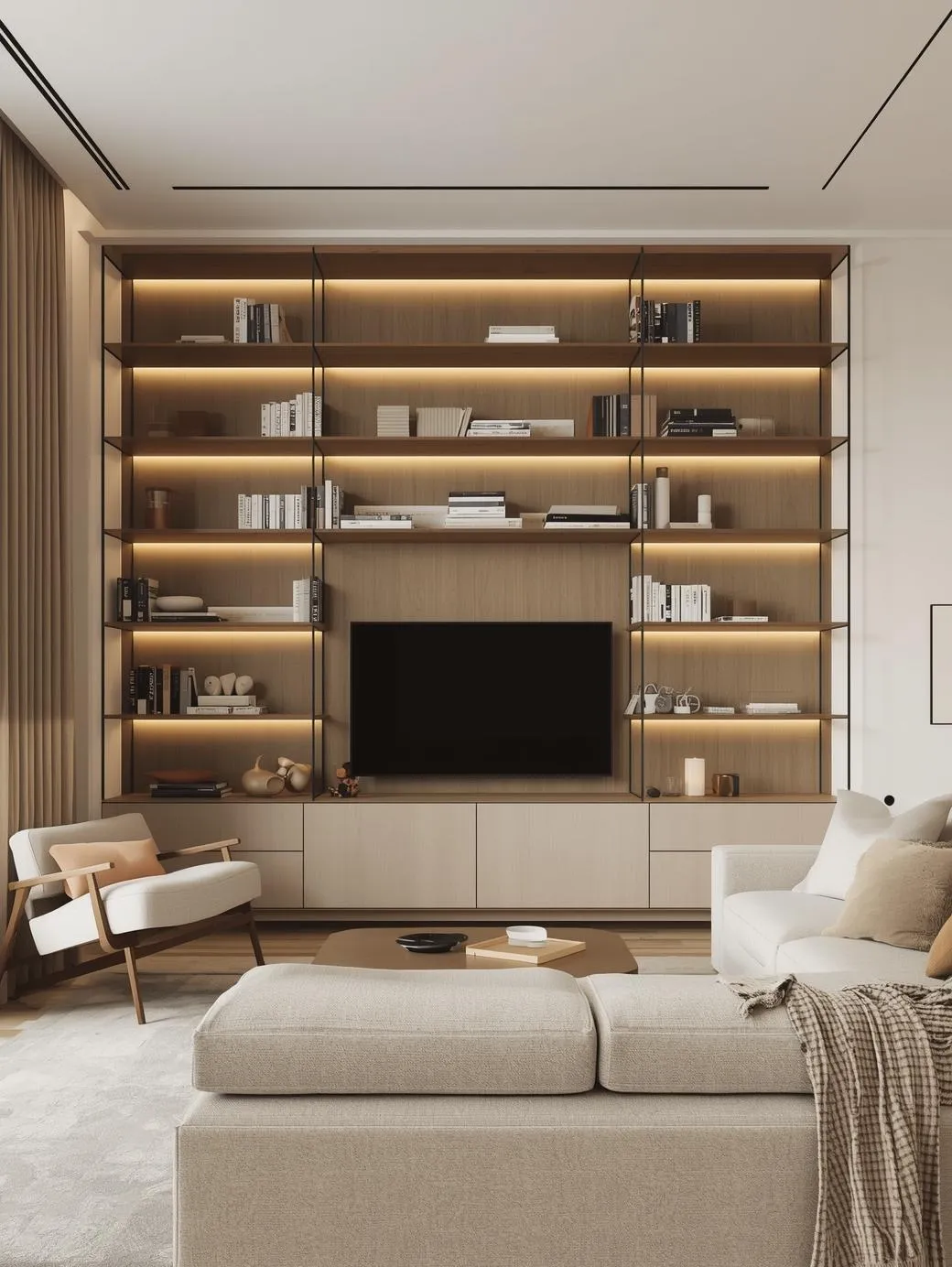
Instead of spreading storage across the room, I prefer vertical storage systems.
Tall shelving units or cabinets that reach the ceiling maximize storage while keeping the floor area open. This technique also makes the room appear taller.
It’s especially effective for books, decor pieces, and small essentials.
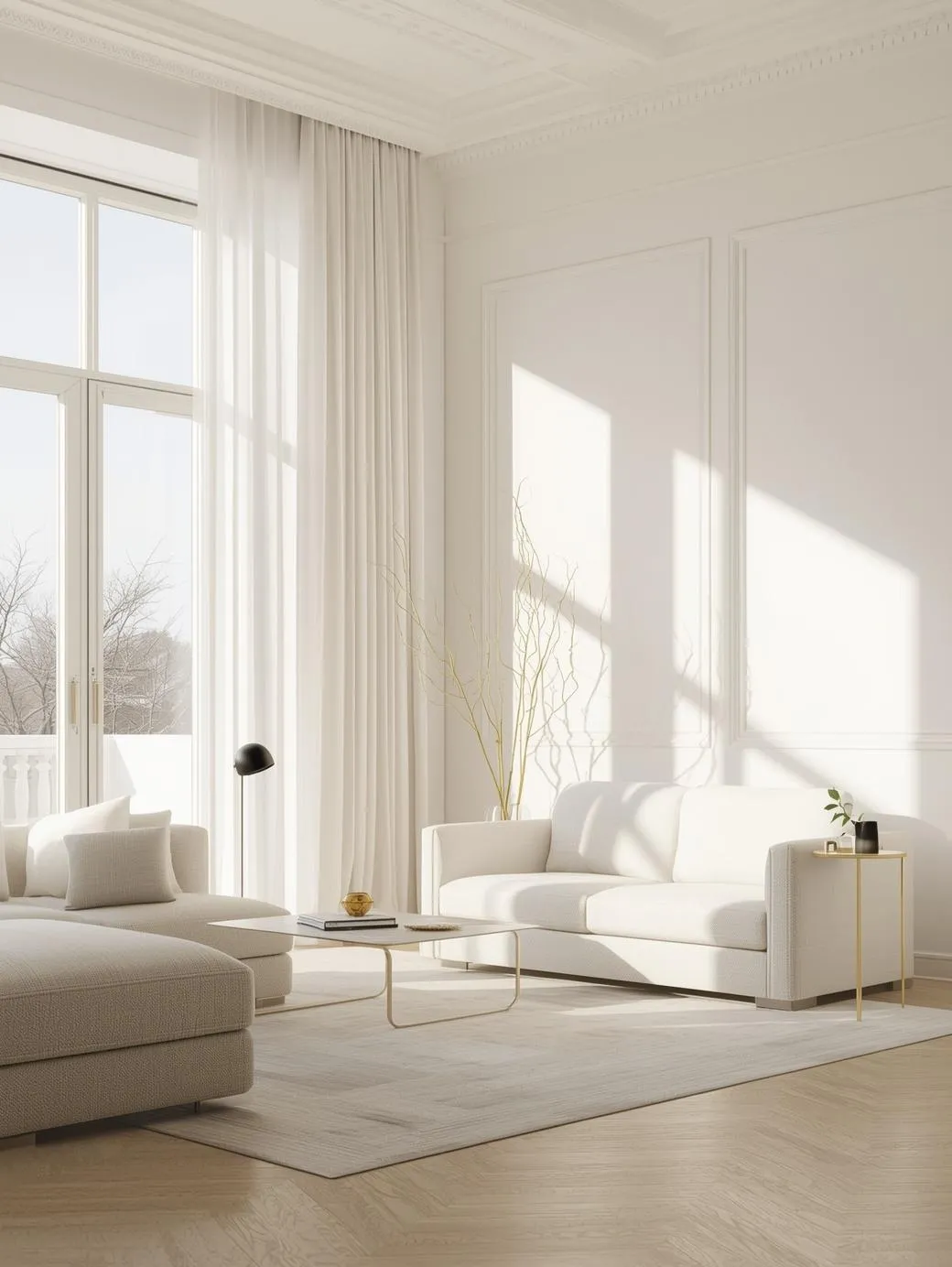
3. Bright Neutral Color Palette
Color can completely change how large a room feels.
In small homes, I usually recommend soft neutral tones like white, beige, or light gray. These colors reflect light and visually expand the space.
Adding wooden textures or soft fabrics prevents the room from feeling too plain.
4. Hidden Storage Furniture
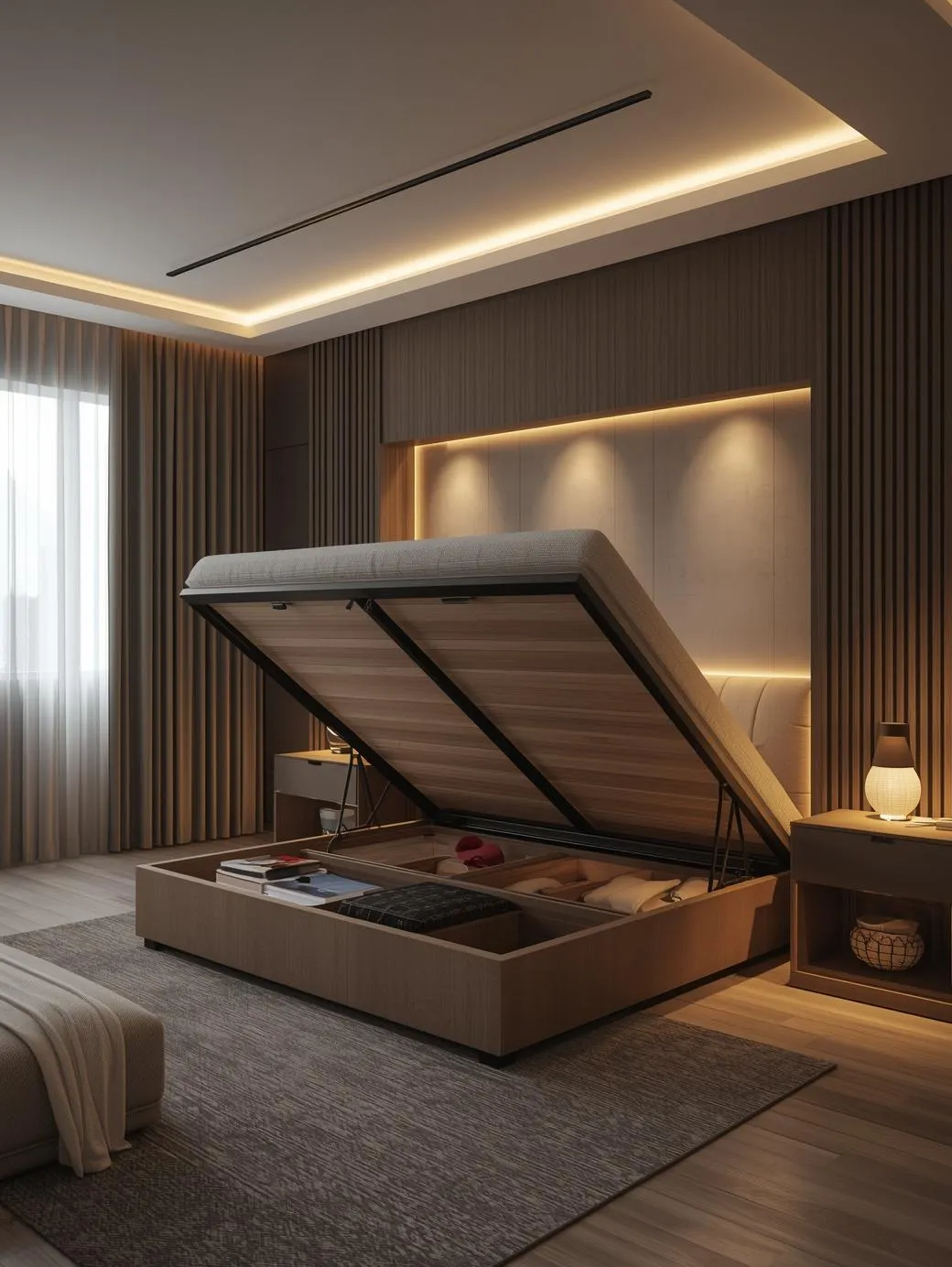
Clutter quickly makes a small home feel cramped.
That’s why I often incorporate hidden storage solutions, such as beds with drawers, benches with storage compartments, or lift-top coffee tables.
These designs keep everyday items accessible while maintaining a clean look.
5. Glass and Acrylic Furniture
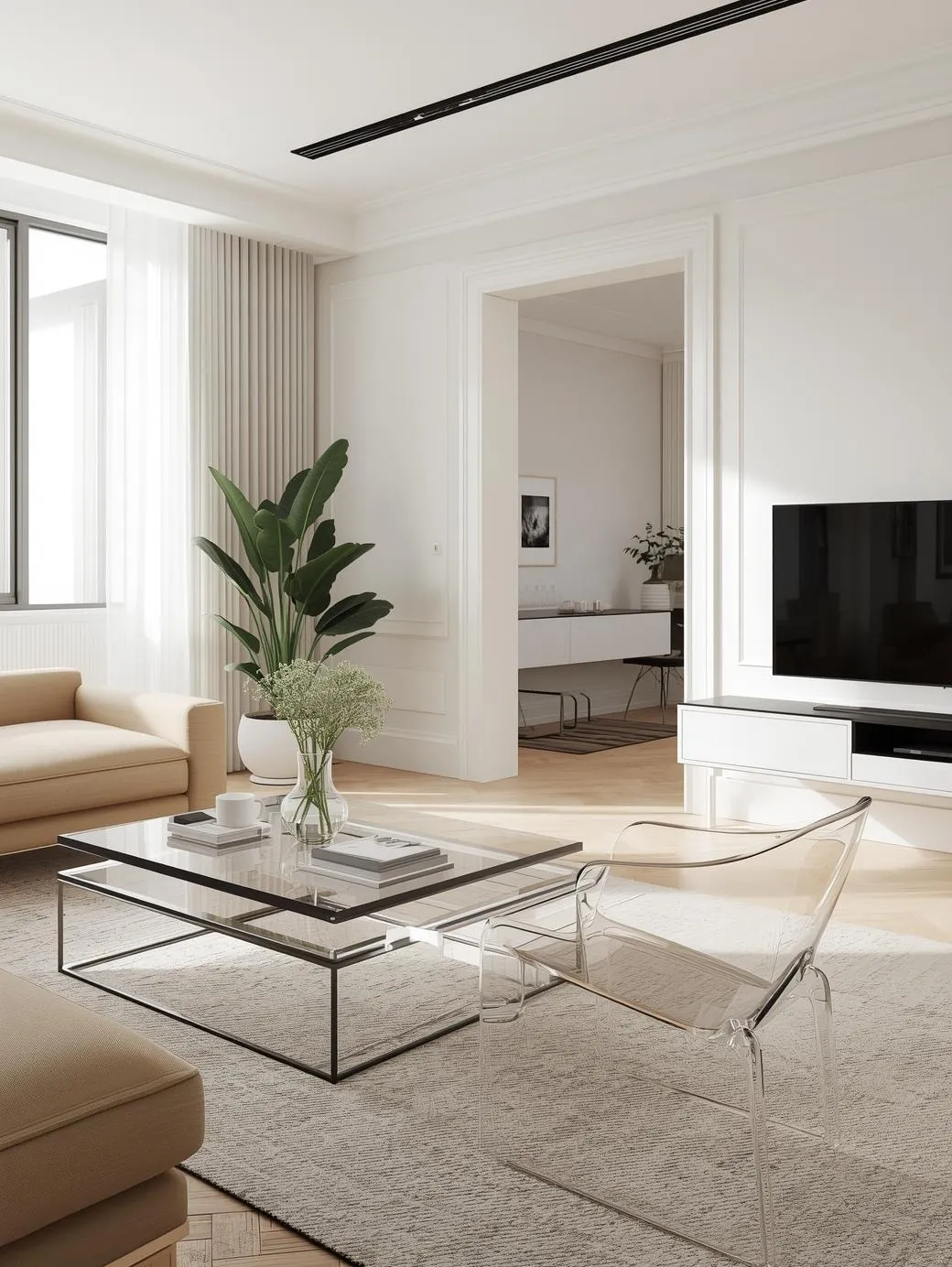
Transparent materials can make a room feel less crowded.
Glass coffee tables or acrylic chairs visually take up less space because they allow light to pass through them.
This trick keeps the layout open without sacrificing functionality.
6. Layered Lighting Strategy
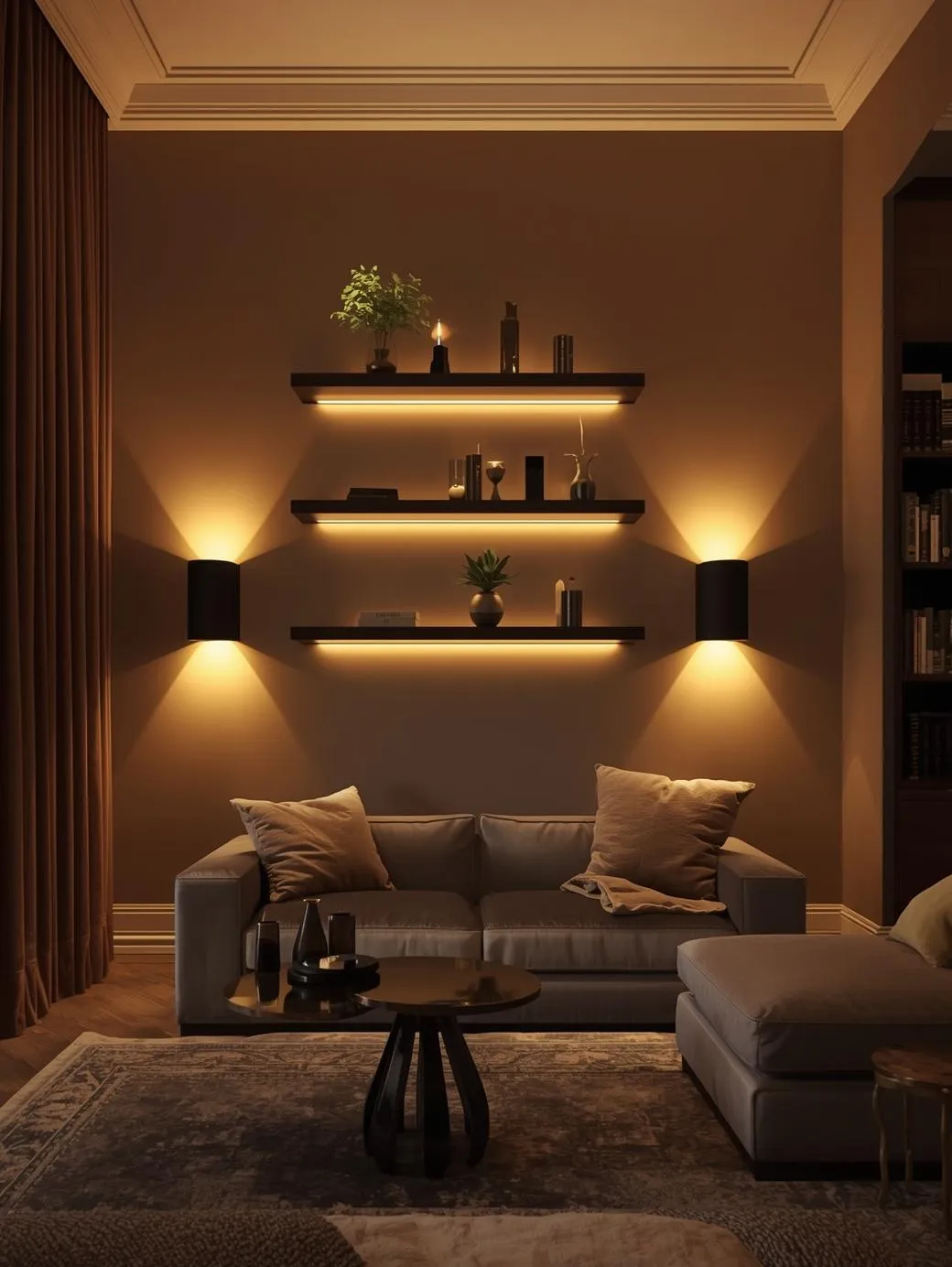
Lighting dramatically affects how spacious a room feels.
Instead of relying on a single ceiling light, I recommend combining:
• wall lights
• floor lamps
• under-shelf LED lighting
• soft ambient lighting
Layered lighting adds depth and eliminates dark corners.
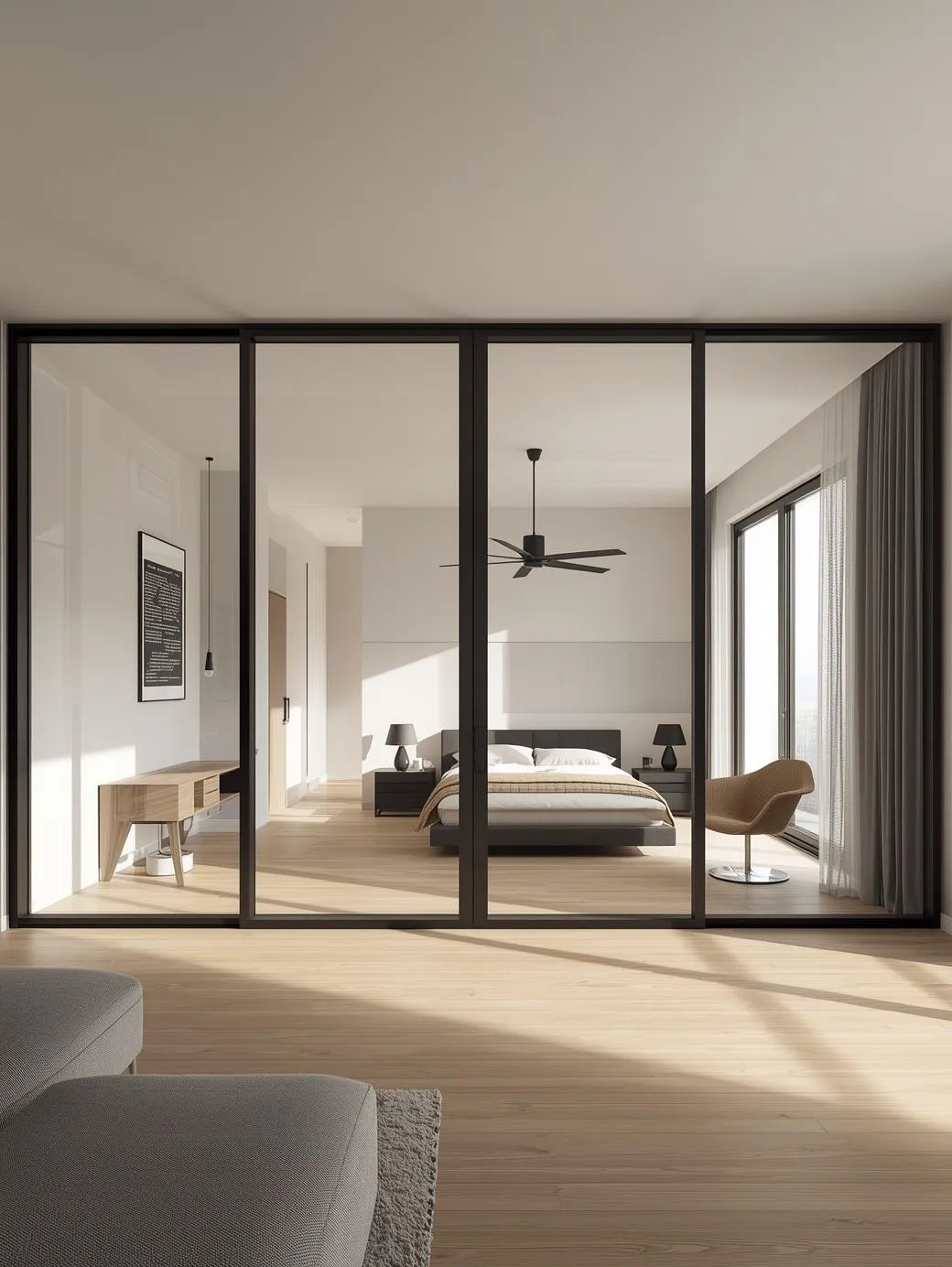
7. Sliding or Pocket Doors
Traditional swinging doors can consume a surprising amount of space.
Replacing them with sliding doors or pocket doors instantly improves room flow and frees up usable space.
This technique works particularly well between living rooms and bedrooms in studio layouts.
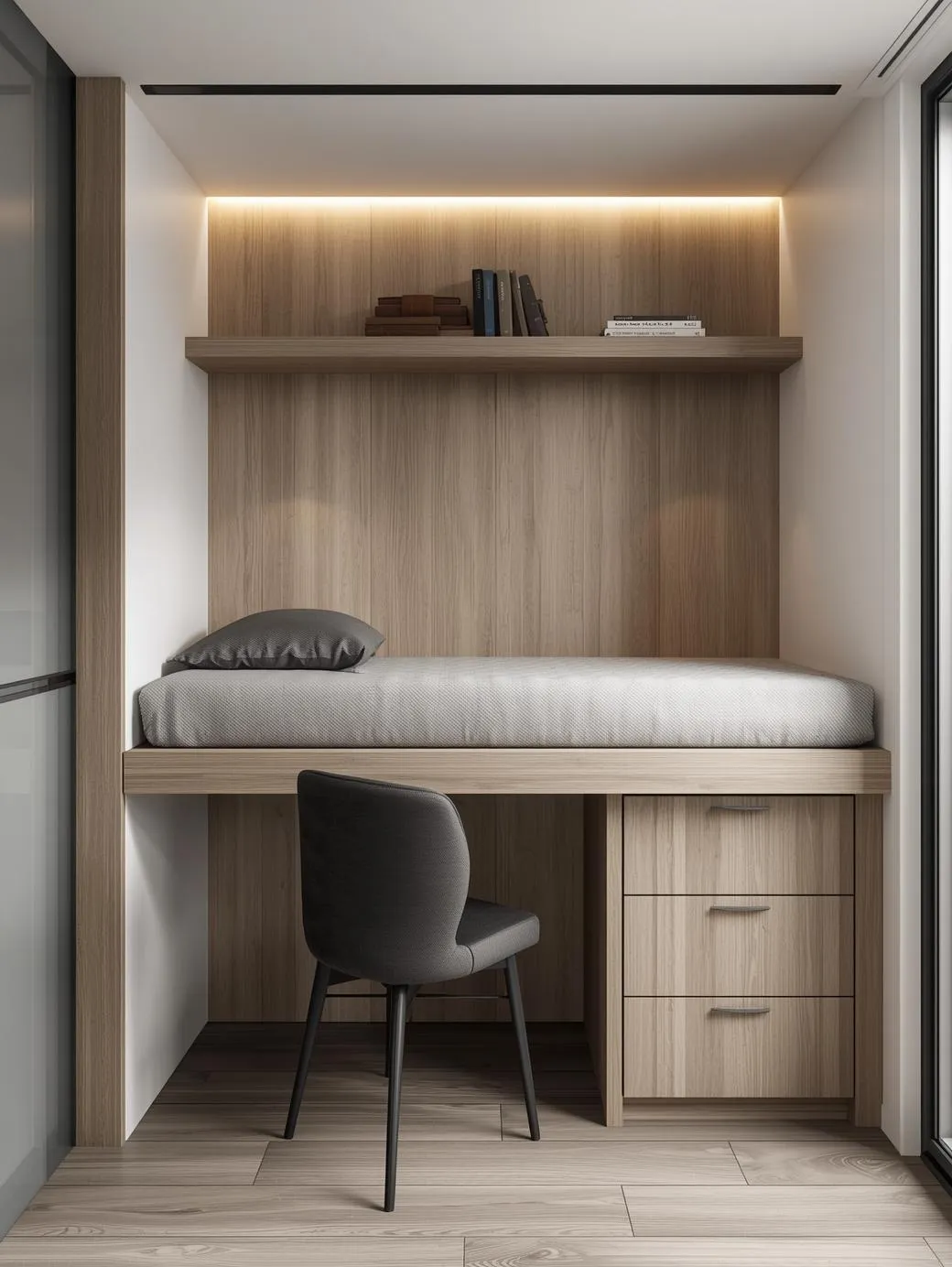
8. Built-In Furniture Design
Built-in furniture allows designers to customize every inch of space.
Examples include:
• built-in desks
• custom shelving
• wall mounted beds
• recessed wardrobes
These solutions make the home feel organized and professionally designed.
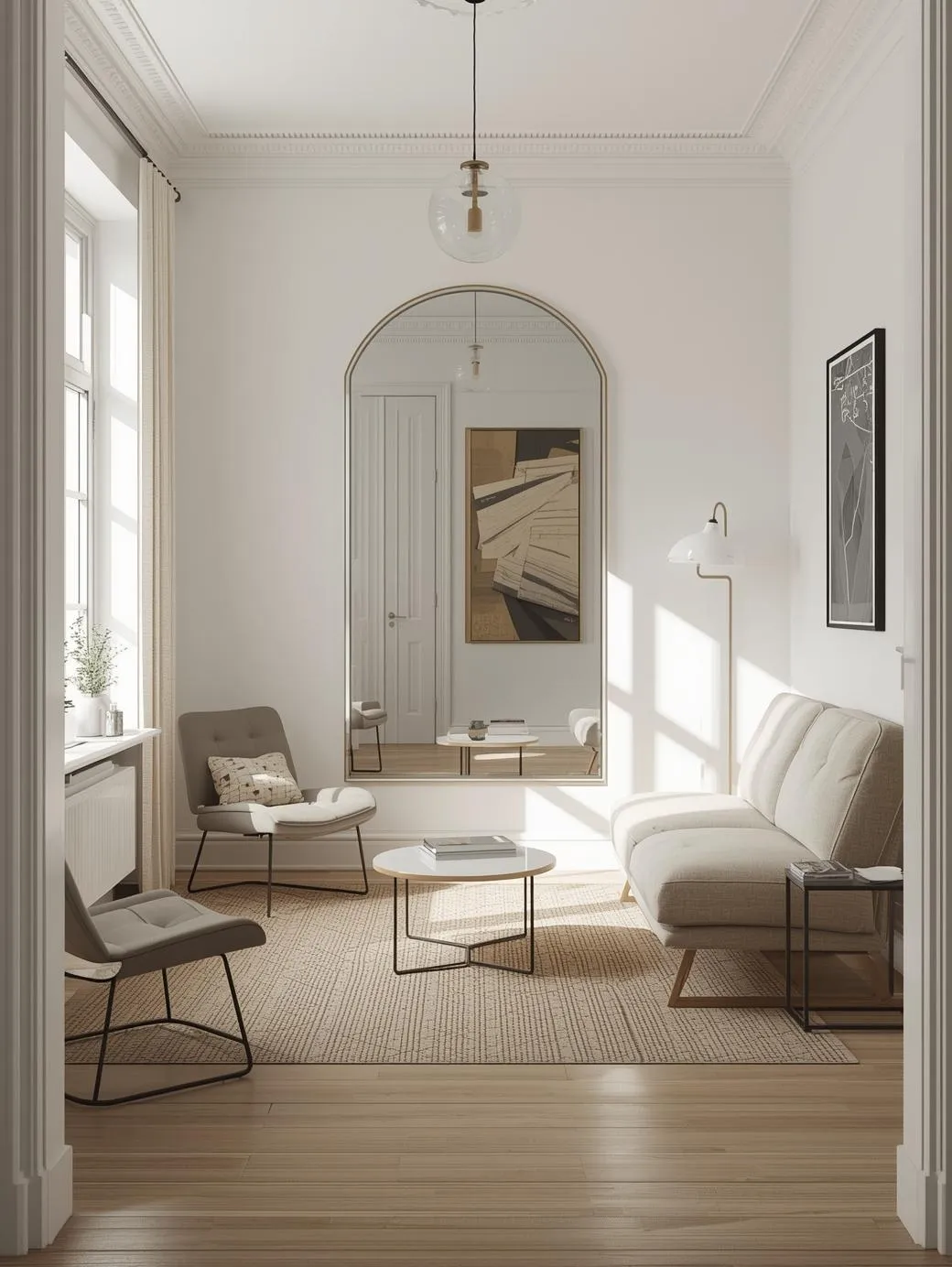
9. Strategic Mirror Placement
Mirrors are one of the oldest tricks in interior design—and they still work.
Placing a large mirror opposite a window reflects natural light and creates the illusion of a larger room.
It visually doubles the depth of the space.
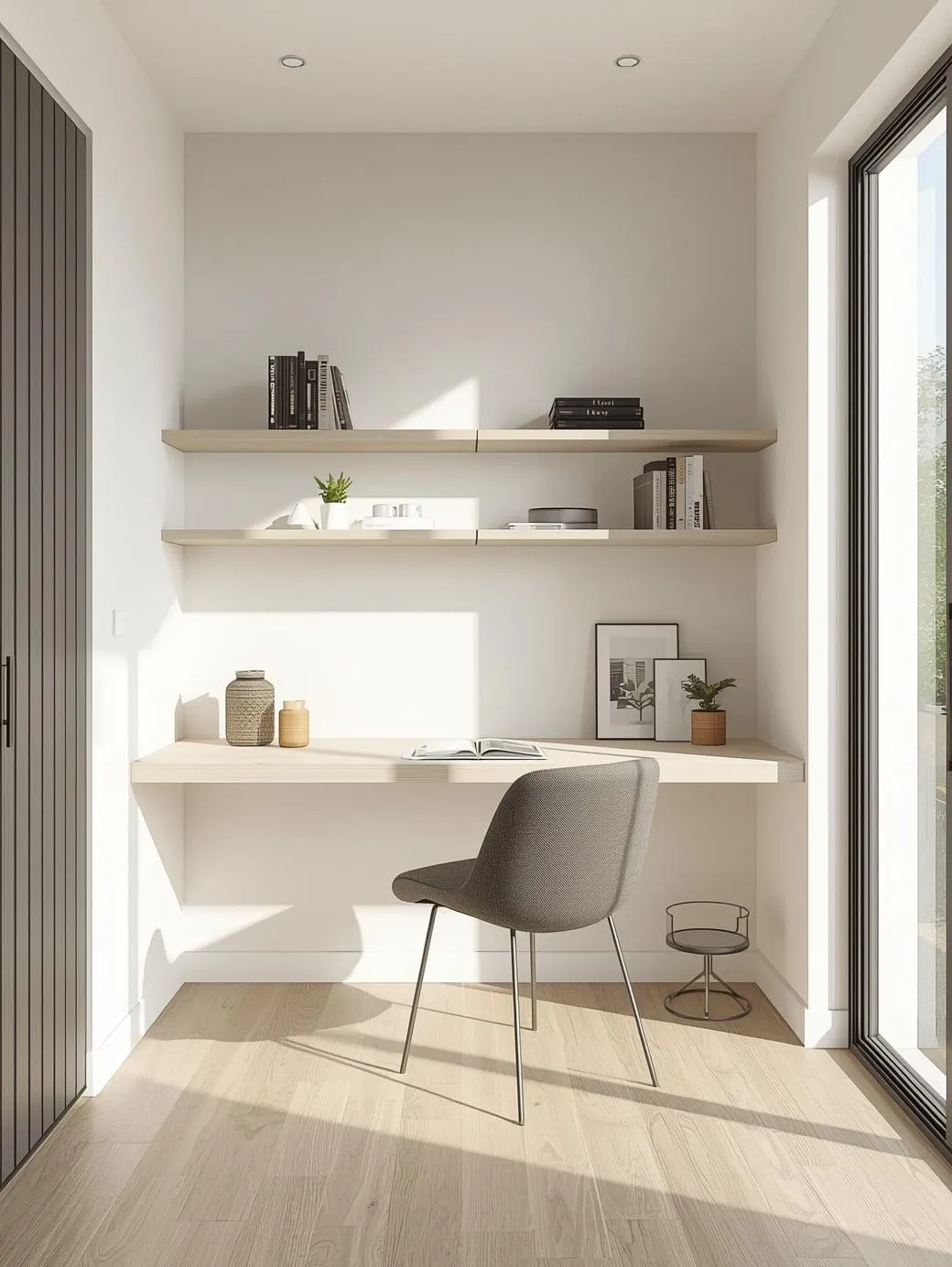
10. Floating Furniture
Wall-mounted or floating furniture can free up valuable floor space.
Floating shelves, wall desks, and mounted TV units keep the room visually light and easier to clean.
This design also creates a modern, uncluttered appearance.
11. Open Layout Room Zoning
Small homes benefit from open layouts, but they still need subtle zoning.
Instead of walls, I often use:
• area rugs
• lighting changes
• furniture placement
• decorative screens
These methods separate spaces while maintaining openness.
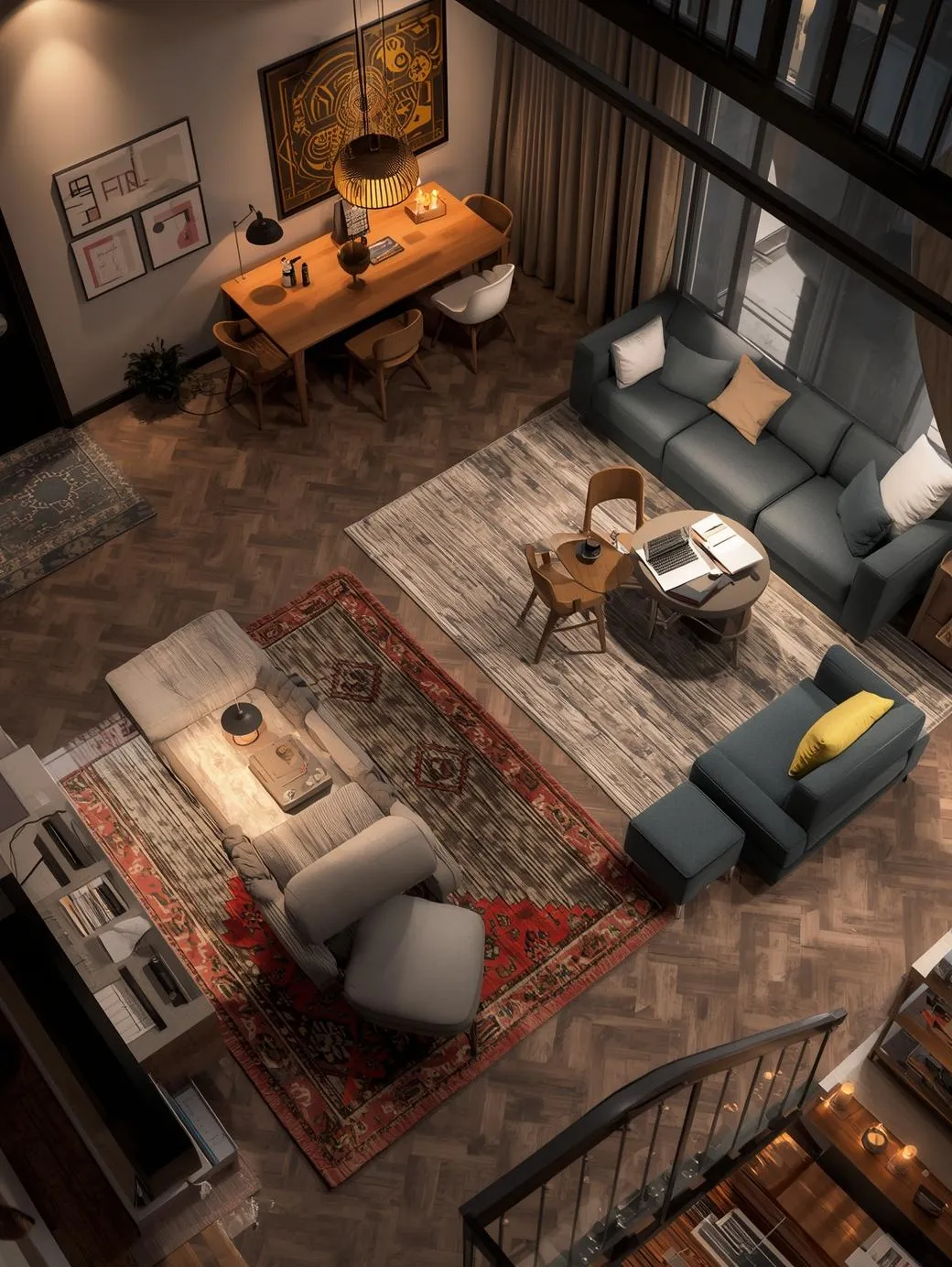
12. Minimalist Decor Approach
When designing small spaces, I always remind clients that less truly is more.
Instead of many decorations, choose a few standout pieces like a statement artwork, elegant lamp, or stylish rug.
This keeps the room visually calm and prevents clutter.