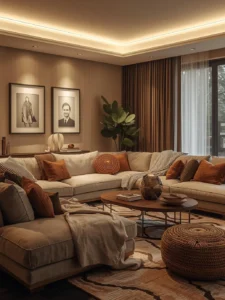

Living room design in 2026 is moving toward comfort-first spaces that feel calm, intentional, and timeless. Instead of bold statements or fast trends, homes are embracing softer forms, natural materials, and layouts designed for real daily living.
These living room ideas reflect how interiors are evolving in 2026—balancing modern design with warmth, functionality, and long-term appeal.
1. Soft Curved Furniture
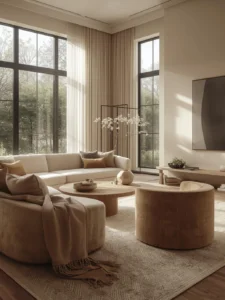
Curved sofas and rounded chairs are replacing sharp edges in 2026 living rooms. These softer shapes create a more welcoming atmosphere and visually relax the space, making rooms feel comfortable rather than rigid.
In real homes, curved furniture works especially well in open layouts or smaller spaces where flow matters. A rounded sofa or accent chair instantly softens the room while still maintaining a modern look.
2. Warm Neutral Color Palettes
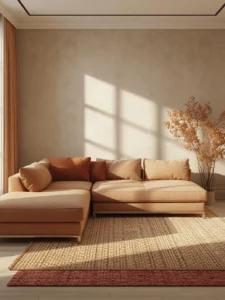
Cool grays are fading as warm neutrals take center stage in 2026. Shades like beige, sand, taupe, and soft clay create depth while keeping living rooms light and timeless.
Homeowners can apply this trend by layering warm neutrals across walls, seating, and textiles. The result is a space that feels cohesive, calm, and easy to update over time.
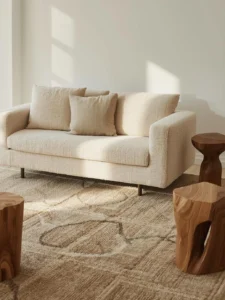
3. Layered Textures for Depth
Texture becomes the main design feature in 2026 living rooms. Instead of bold patterns, designers rely on materials like bouclé, linen, wool, wood, and stone to add interest.
In everyday spaces, texture can be introduced through throws, rugs, cushions, and furniture finishes. These layers create warmth and visual richness without making the room feel busy.
4. Low-Profile Seating
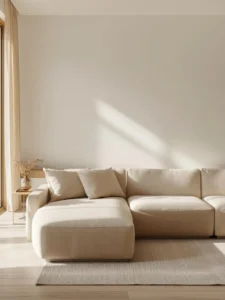
Lower sofas and grounded furniture layouts define many 2026 living rooms. This approach makes spaces feel more relaxed and visually open, especially in modern homes.
To use this idea at home, choose seating with a lower seat height and keep furniture lines wide and simple. The room instantly feels calmer and more intentional.
5. Natural Materials as Focal Points
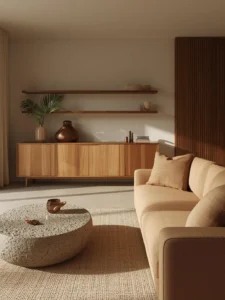
Wood, stone, and linen are no longer accents—they are central to living room design in 2026. These materials bring warmth and authenticity into the space.
In real homes, this trend works well through wooden coffee tables, stone surfaces, and linen upholstery. The goal is to let materials speak without overdecorating.
6. Cozy Minimalism
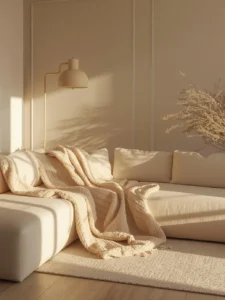
Minimalism in 2026 is softer and more inviting. Clean lines remain, but warmth is added through textiles, lighting, and subtle decor choices.
This look is easy to apply by keeping layouts simple while layering soft fabrics and warm lighting. The result is a space that feels uncluttered but never cold.
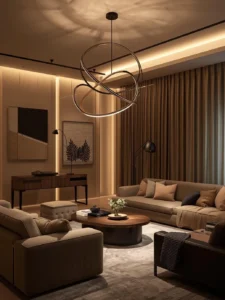
7. Sculptural Statement Lighting
Lighting becomes more expressive in 2026 living rooms. Sculptural pendants and oversized floor lamps act as functional art while setting the mood of the space.
At home, statement lighting can replace excessive decor. A single well-designed fixture often adds more character than multiple accessories.
8. Flexible Living Room Layouts
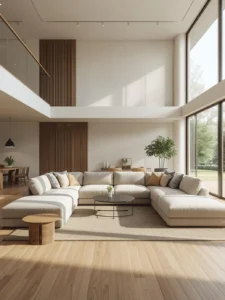
Living rooms in 2026 are designed for real life, not static layouts. Modular seating and flexible arrangements allow spaces to adapt easily.
This trend works well for families and multi-use spaces. Modular sofas or movable chairs allow homeowners to reconfigure the room without redesigning it.
9. Quiet Luxury Details
Luxury becomes subtle in 2026. Instead of bold decor, living rooms focus on quality materials, refined finishes, and thoughtful spacing.
Homeowners can achieve this look by choosing fewer but better pieces. Simple furniture with premium textures creates a polished yet understated feel.
10. Comfort-First Living Spaces
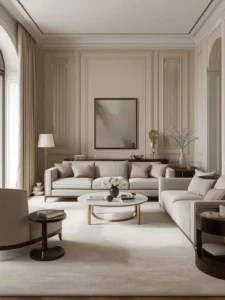
Above all, 2026 living room trends prioritize comfort. Spaces are designed to be used, relaxed in, and enjoyed daily.
Comfort-focused design shows up through deep seating, soft lighting, and inviting layouts. When comfort leads, the room naturally feels more stylish and livable.